
Figure 1: Strategic transit schematic linking the Cabinet-approved Sector 142–Botanical Garden Metro line, the existing Aqua Line spine, and commercial flight operations at Noida International Airport. (Click image to expand in high resolution).
Few regional developments across Delhi NCR command greater attention from homebuyers and institutional investors than mass-transit connectivity. In 2026, two milestone announcements altered the mobility landscape of the Noida–Greater Noida Expressway and the Yamuna Expressway: the Union Cabinet's formal approval of the Sector 142 to Botanical Garden Metro extension, and the commencement of scheduled commercial flights at Noida International Airport (Jewar).
However, property marketing frequently blurs the line between announcements, construction progress, and operational reality. Promoters often market future metro lines as if they are running today, or claim that an operating airport automatically guarantees double-digit annual price spikes across every adjoining parcel.
In this research paper, the Urban Investors Research Advisory desk cuts through promotional rhetoric. We break down what the Cabinet approval actually entails, where construction stands, how live flight operations at Jewar Airport function, and—most importantly—how buyers should evaluate property micro-markets on genuine commuting convenience, supply realities, and delivery timelines.
Planning Precision: Separating Operational Infrastructure from Under-Construction Projects
It is vital for property buyers to maintain clarity: the Noida International Airport (Jewar) commenced commercial passenger flights on 15 June 2026 and is an active, operational transit facility. By contrast, the Sector 142 to Botanical Garden Metro line is a Cabinet-approved project currently undergoing civil engineering execution. It is not yet operational, and realistic delivery timelines point toward a 36 to 48-month gestation period (estimated commissioning around 2029–2030).
1. What the Sector 142–Botanical Garden Metro Extension Will Connect
To understand why the Sector 142 to Botanical Garden line is so pivotal, one must look at the structural limitation of the existing Noida Metro Aqua Line.
When the 29.7 km Aqua Line opened between Sector 51 (Noida) and Depot Station (Greater Noida), it suffered from a major interchange hurdle: the northern terminus at Sector 51 was separated from the Delhi Metro Blue Line station at Sector 52 by a 400-meter pedestrian pathway. Commuters faced cumbersome bag checks, separate ticketing systems, and e-rickshaw transfers in extreme weather. This friction discouraged corporate employees living in Delhi from commuting to office campuses in Sectors 135, 142, and 144, while residents in Sectors 137 and 150 faced prolonged daily commutes into South or Central Delhi.
The Strategic Botanical Garden Interchange
The newly approved 11.56 km spur directly rectifies this bottleneck. By connecting Sector 142—a major commercial office corridor along the expressway—directly into Botanical Garden, the line integrates seamlessly with Delhi Metro's most powerful suburban transit junction:
- Delhi Metro Magenta Line: Provides high-speed, direct transit to South Delhi hubs, including Nehru Place, Kalkaji Mandir, Hauz Khas, Munirka, and Delhi Airport Terminal 1 (Domestic).
- Delhi Metro Blue Line: Provides direct transit into Central Delhi (Pragati Maidan, Mandi House, Rajiv Chowk / Connaught Place) and West Delhi (Karol Bagh, Rajouri Garden, Dwarka).
For residents in Sector 137, Sector 143, and the low-density sports communities of Sector 150 Noida, this spur will reduce travel times into South Delhi by an estimated 25 to 35 minutes once fully operational.
2. Cabinet Approval, Construction Status & Realistic Timelines
In property literature, transit projects are frequently described loosely as "sanctioned by the authority." It is crucial to distinguish preliminary municipal recommendations from binding statutory approvals:
The Union Cabinet Approval (14 February 2026)
On 14 February 2026, the Union Cabinet, chaired by the Prime Minister, formally approved the Noida Metro Rail Corporation (NMRC) project for the 11.56 km extension from Sector 142 to Botanical Garden, with an estimated project cost of approximately ₹2,254.35 Crore (as documented by the Press Information Bureau).
Following Cabinet clearance, tender processes for civil engineering packages, viaduct construction, and electrical substations were initiated in mid-2026. Preliminary utility shifting and geotechnical soil testing are currently underway along the expressway service road alignment.
The 8 Proposed Elevated Stations
The approved alignment runs elevated along the Noida–Greater Noida Expressway corridor, serving established residential neighborhoods, administrative headquarters, and commercial tech clusters:
| Station Name | Zonal Location | Key Catchment & Surrounding Landmark |
|---|---|---|
| Botanical Garden | Sector 38A | Multi-modal interchange with DMRC Blue Line & Magenta Line |
| Noida Sector 44 | Sector 44 | Noida Golf Course periphery, luxury residences, Amity University access |
| Noida Office (Sector 96) | Sector 96 | New Noida Authority Administrative Headquarters & corporate offices |
| Noida Sector 97 | Sector 97 | Institutional zone, commercial complexes, and public parks |
| Noida Sector 105 | Sector 105 | Hajipur residential hub, expressway residential clusters |
| Noida Sector 108 | Sector 108 | Police Commissionerate Headquarters, high-density residential towers |
| Noida Sector 93 | Sector 93 / 93A | Gejha, ATS Village, Grand Omaxe, and expressway residential enclaves |
| Panchsheel Balak Inter College | Sector 91 | Noida Biodiversity Park, Medanta Hospital corridor |
| Sector 142 | Sector 142 | Interchange junction with existing Aqua Line; Advant Navis, ONYX by Splendor |
Realistic Execution Timelines
Elevated metro corridors in dense urban rights-of-way require viaduct casting, pier construction, signaling integration, rolling stock procurement, and statutory safety inspections by the Commissioner of Metro Railway Safety (CMRS).
Historically across India, such metro projects have required 3 to 4 years from contract awarding to commercial passenger operations. Consequently, buyers should view this line as an infrastructural asset delivering tangible convenience around 2029–2030, rather than an immediate commuting amenity for moves planned this year.
3. Jewar Airport in 2026: Commercial Operations & Live Tracking
For years, property advertisements labeled the Noida International Airport (IATA Code: DXN) as an upcoming "future catalyst." That framing changed decisively on 15 June 2026, when the airport officially commenced commercial passenger flight operations following rigorous validation flights and DGCA aerodrome licensing.
Current Operational Status: Phase 1
Developed by Yamuna International Airport Private Limited (YIAPL)—a 100% subsidiary of Zurich Airport International AG—Phase 1 features:
- Single Runway (09/27) & Passenger Terminal: Capable of handling up to 12 million passengers annually in Phase 1.
- Commercial Airline Routes: Scheduled passenger flights operated by major domestic carriers, including IndiGo and Akasa Air, connecting NCR to primary business destinations such as Mumbai, Bengaluru, Hyderabad, Kolkata, and Ahmedabad.
- Integrated Multi-Modal Cargo Hub (MMCH): Handling express air cargo, cold storage perishables, and electronic component logistics to support the electronics manufacturing clusters along the Yamuna Expressway Master Plan corridor.
How to Check Live Flight Information
Buyers and traveling executives can verify operational airline schedules, daily departures, and cargo notices directly on official authority portals rather than relying on promotional brochures:
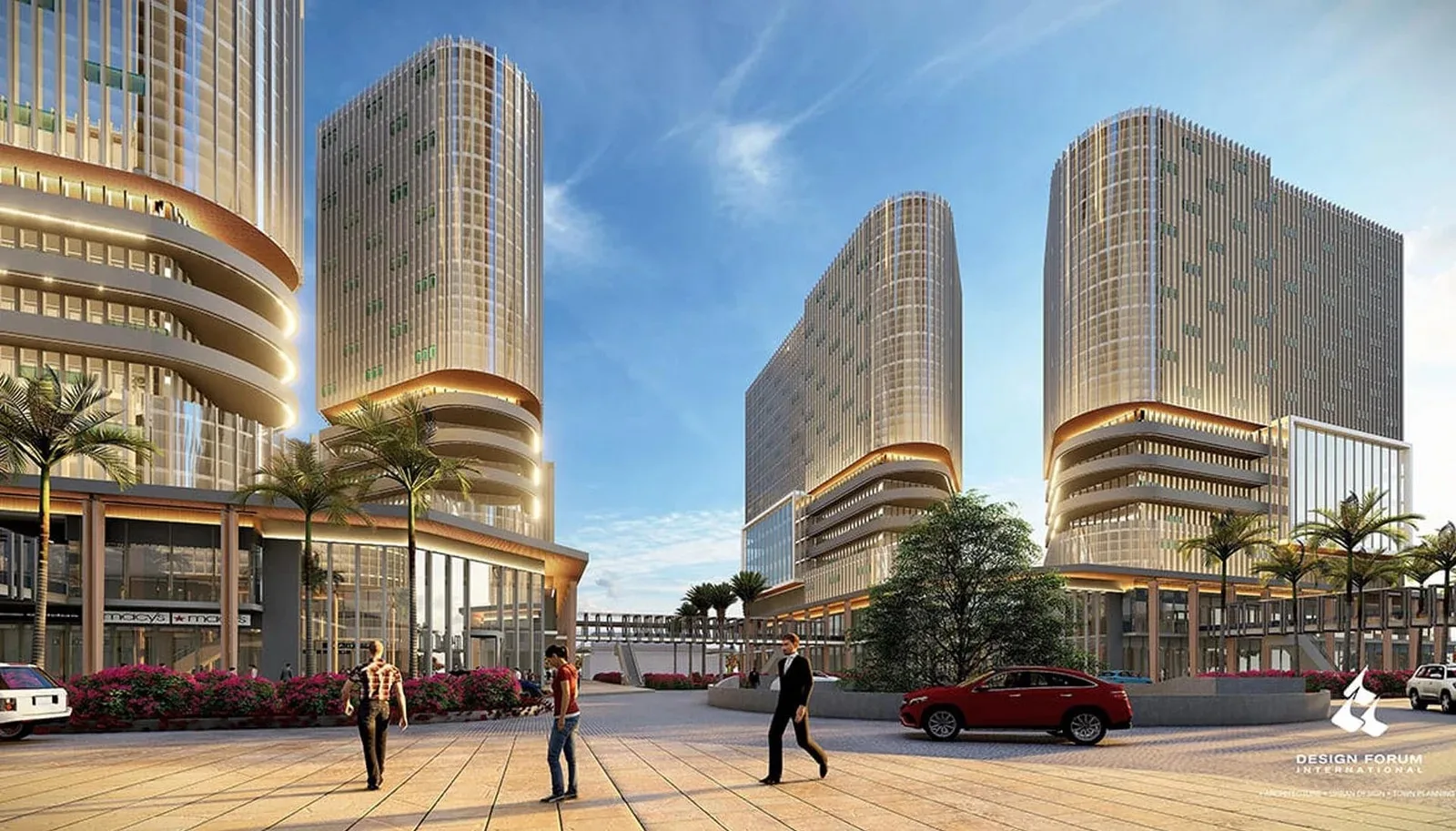
Grade-A commercial IT corridors in Sector 140A/142 benefiting from direct metro linkages.
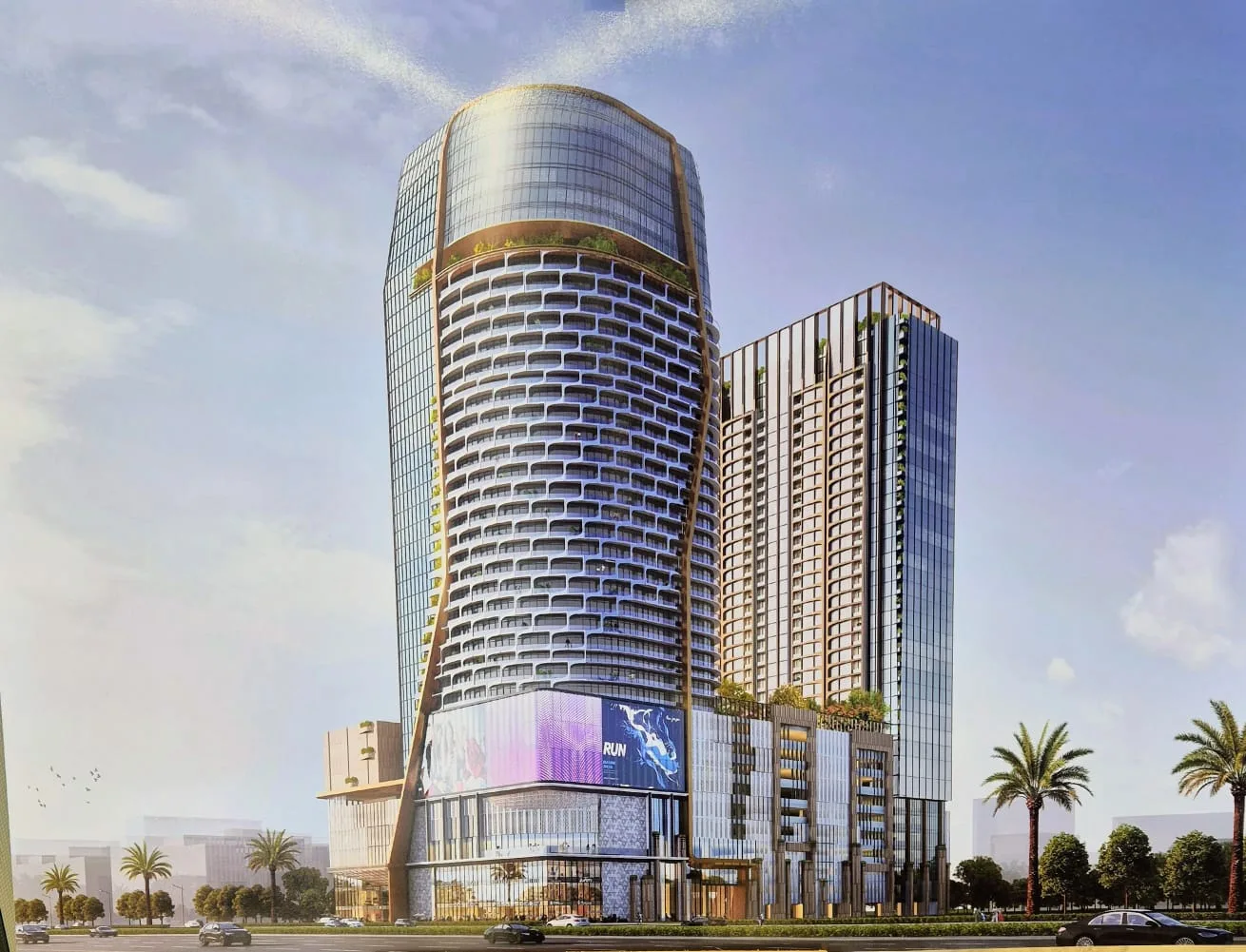
Serviced studio suites catering to airport workforce and corporate travelers on Yamuna Expressway.
4. Which Property Locations May Benefit — And How?
Improved connectivity does not lift all real estate equally. When evaluating property micro-markets, analytical buyers should assess four core variables: physical distance to the transit node, arterial road access, proximity to corporate employment, and current end-user demand.
1. Sector 142 & Expressway Corporate Hubs (Sectors 135, 140A, 142)
Primary Asset Class: Grade-A Commercial Office Suites, High-Street Retail, and Mixed-Use Complexes.
Sector 142 is situated at the epicenter of this transit transformation. As the designated junction where the new Botanical Garden spur meets the Aqua Line, Sector 142 transitions from an intermediate station into a major suburban transport interchange.
- Corporate Tenant Appeal: Multinational IT and consulting firms in parks like ONYX by Splendor, CRC The Flagship, and Fairfox EON (Sector 140A) can now recruit talent from South Delhi and East Delhi with single-line or single-interchange commutes.
- Rental Demand: Improved employee accessibility typically drives lower vacancy rates in Grade-A office buildings, strengthening lease stability for commercial property investors.
2. Sector 150 & 151: Luxury Residential & Sports City
Primary Asset Class: Low-Density Luxury Residential Apartments & Penthouse Communities.
Sector 150 is planned with 80% open green coverage, underground wiring, and comprehensive sporting amenities. Positioned at the confluence of the Noida–Greater Noida Expressway and the Yamuna Expressway:
- The Dual-Transit Advantage: Residents in developments such as Experion Saatori (Sector 151), ACE Arte, and CRC 150 can access South Delhi via the upcoming Botanical Garden interchange (via Sector 148 Aqua Line) while remaining only a 25-minute highway drive from Jewar Airport.
- Target Buyer: Corporate leaders, airline commanders, and expatriates who desire uncrowded green living without sacrificing air travel or Delhi connectivity.
3. Sector 145: Authority-Approved Plotted Developments
Primary Asset Class: Approved Residential Plots (Kisan Kota / Authority Allotments).
Located directly opposite Sector 142, Sector 145 offers rare freehold-style residential plots within Noida's master-planned boundary. The operational metro interchange at Sector 142 provides immediate walk-to-transit or 2-minute feeder convenience, making these plots highly attractive for self-built luxury villas.
4. Yamuna Expressway Aerotropolis Sectors (Sectors 18, 20, 22D)
Primary Asset Class: Serviced Studio Suites, Gated Township Residences, and Plotted Subdivisions.
Sectors 18, 20, and 22D sit directly in the commercial gravity of Noida International Airport.
- Serviced Studio Demand: Projects like Gaur Bento inside the 250-acre Gaur Yamuna City offer fully furnished serviced apartments designed to capture rental demand from flight crews, maintenance engineers, and corporate auditors visiting the airport or nearby tech clusters.
- Township Living: Developments such as Eldeco Whispers of Wonder in Sector 22D cater to families seeking planned township amenities in close proximity to upcoming logistics and biomedical parks.
5. What Buyers & Investors Should Verify Before Purchasing
While major infrastructure announcements create positive market sentiment, experienced real estate analysts know that infrastructure alone does not guarantee capital appreciation or rental returns.
If a buyer invests in an overpriced project, a builder with pending authority dues, or an isolated location with unpaved access roads, even a world-class metro line cannot rescue the investment. Here is the due diligence framework we recommend:
- Evaluate Micro-Location & Access Roads: A project marketing itself as "5 minutes from the metro" might be separated from the station by an unacquired village parcel or an unlit 3-meter rural lane. Physically inspect whether the approach road is a fully constructed 45-meter or 60-meter master-plan arterial road with drainage and street lighting.
- Scrutinize Developer Balance Sheets & YEIDA/Noida Dues: In Uttar Pradesh, builder defaults on authority land dues have historically stalled registry for thousands of flat owners. Ensure your chosen developer has paid land installments or is in full compliance with the government's legacy stalled project relief policies.
- Verify Active UP RERA Registration & Disclosures: Check the UP RERA portal for the project's sanctioned completion deadline, quarterly progress reports, and bank escrow account details. Never invest based on pre-launch soft announcements without an active RERA registration number.
- Assess Local Supply Overhang: Corridors with tens of thousands of simultaneously launching identical units face rent suppression. Prioritize low-density enclaves, unique architectural layouts, or scarce product formats (such as serviced studios or gated plots) that enjoy organic pricing power.
- Align Holding Period with Delivery Realities: If purchasing an under-construction property targeting the 2029–2030 metro commissioning, structure your financial plan for a 5 to 7-year holding period. Factoring in loan interest, maintenance charges, and registration expenses ensures realistic return expectations.
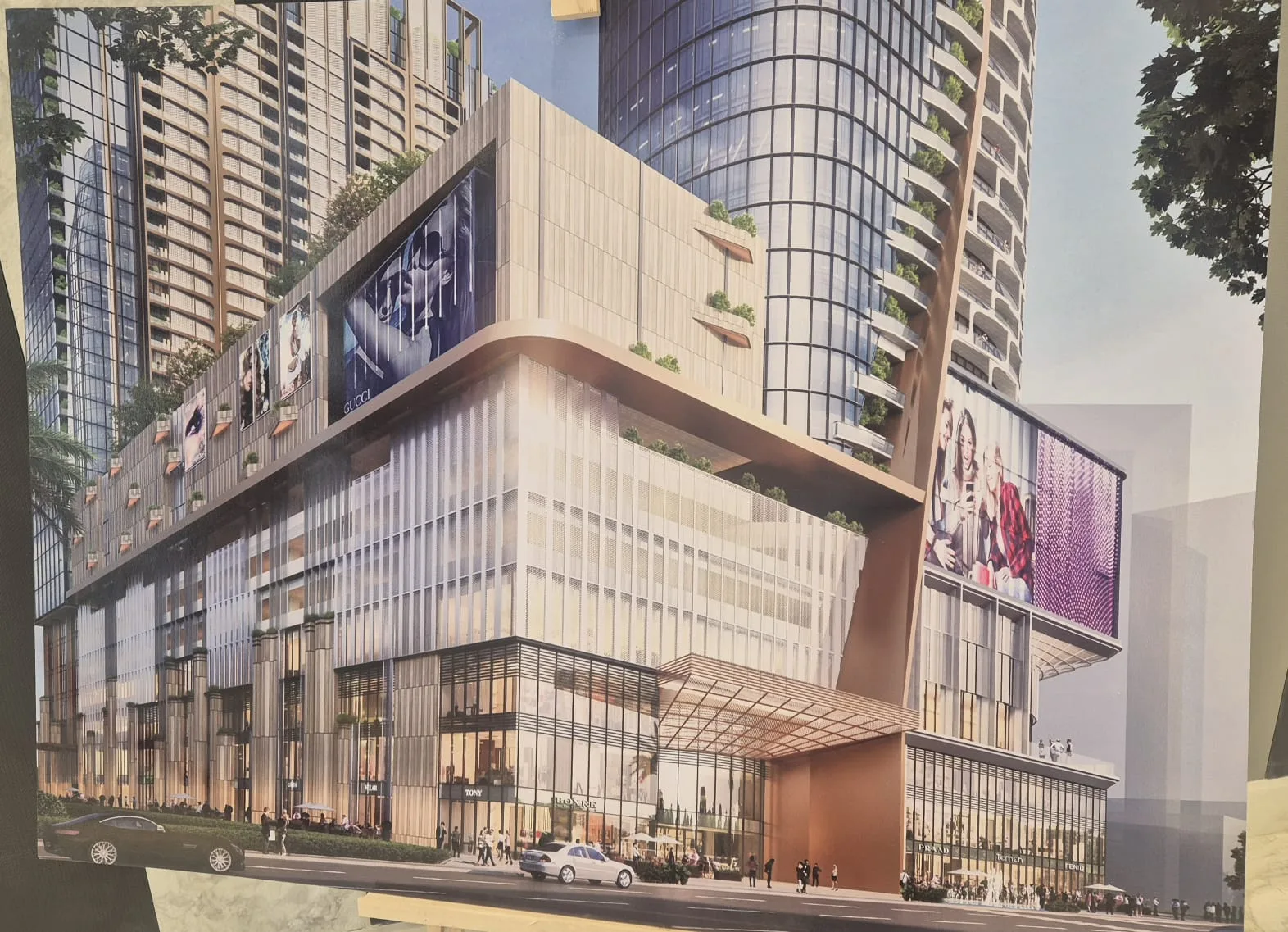
Gaur Bento (Studio Apartments)
Strategically located on the Yamuna Expressway inside Gaur Yamuna City, just minutes from the operational Noida International Airport. High-efficiency serviced studio suites tailored for corporate and aviation tenancy.
- Location: Yamuna Expressway, Gaur Yamuna City
- Starting Price: From ₹77 Lacs*
- Suitability: Passive rental yield investors seeking exposure to the operational Jewar aerotropolis.
Summary: A Balanced Perspective for 2026 Buyers
The Cabinet approval of the Sector 142–Botanical Garden Metro extension and the start of commercial flight operations at Jewar Airport are transformative events for Delhi NCR's southern growth corridor. They resolve long-standing transit friction and firmly establish the region as an international economic hub.
Yet, prudent investors should approach the market with analytical rigor rather than speculative enthusiasm. Recognize that the metro extension is a multi-year construction project, verify developer credentials meticulously, and focus on verified RERA projects with clear title deeds and operational civic utilities.
Frequently Asked Questions

Urban Investors Infrastructure & Advisory Desk
Authored by our senior advisory desk led by Manjit Choudhary and Mahendra Rai. Evaluating a specific residential or commercial investment along the Noida Expressway or Jewar corridor? Connect with our advisory directors.